Tag Archive for: creating a narrative

___

BONUS FREEBIE: Your message deserves the media’s attention. So how do you get out there in a bigger way? I’ve got you covered. CLICK HERE to grab my free “Checklist to Become a Go-To Media Expert.”

___

A lot of authors go to conferences to pitch their books. But I hear a lot from my media training clients that they’re not quite sure how to prepare. 

Often, pitching at a conference is like speed dating. You only get a couple of minutes and you really want to make a good impression. 

Here’s how to prepare to make the most of pitching your book at a conference. 

1) Use the Accordion Method to figure out your “book hook.”

The idea here is to prepare something between a media pitch and a soundbite. The Accordion Method is a tool I developed for speaking in the media in soundbites. You come up with a short, medium, and long answer to the questions you think you’ll be asked. The same method works for talking about your book.  

You want to come up with a short, medium, and long version of the pitch you’re giving at the conference. Each version of your pitch should focus on the “book hook” that makes your book unique and attractive to readers. 

2) Walk the walk (and talk the talk).

First impressions matter. So it’s important that you come across as friendly, confident, and knowledgeable. A professional appearance and manner goes a long way with establishing a good first impression.

Here’s a quick primer: 

  • Bring layers (you never know what the temperature will be!) and clothing that travels well. If you need a steamer, pack one!
  • Set yourself up to feel good throughout the day with a water bottle, breath mints, and granola bars
  • Don’t forget business cards! (People trade those again.) 

For a complete guide, my blogs about speaking at a conference and attending a conference go over how to make sure you’re fully prepared — from what to wear to what to pack. 

Tip: If the conference is virtual, most of the same rules apply — but tailored to a video call. Make sure your audio words and set up a professional and simple background (no blurred backdrop, please!). Here are all my tips for creating a home video studio for meetings and recordings. 

3) Practice (but don’t memorize a speech).

Practice really does make perfect. Go over your notes enough times that you feel like you can hit the key points without speaking verbatim from a memorized speech. Recording yourself and listening back can help too. Even if it’s just on audio. Hearing yourself say the words outloud is very important. Reporters and anchors do this before they shoot any videos to fully prepare. The goal is to come across as ready and natural. And the more times you practice, the easier it is to get into that flow.

And don’t forget to quit the “ums” and “likes” and get right to the point! Those filler words take up precious time that you can’t spare. 

It’s okay to have notes, but you don’t want to be reading from a page. And that’s because you should always…

4) Make eye contact.

This seems like such a small thing, but it’s actually huge. People will feel an instant connection when you look them in the eye. Eye contact is powerful and it can make the difference between someone remembering your pitch and getting lost in the crowd.

This holds true even if it’s a virtual conference. Look right into the camera (not at yourself!) because that will come across as eye contact on a video call. 

For even more tips on how to talk about your book, check out my training Media Ready Author.

5) Learn from those who have done it before.

I loved reading this story in Writer’s Digest from Julia Bogart, an author who successfully pitched at a conference. Turns out we share the same agent! Rita is my agent for Listful Thinking and Listful Living. 

Julia wrote:

I entered the room and made a beeline for the agent who topped my list: Rita Rosenkranz. I stood in line repeating my pitch to myself silently. Each person in front of me made their pitch and walked away without Rita’s business card. Finally, it was my turn—I drew a deep breath. I approached her desk. Rita wore those glasses that slip down your nose and she held a firm line for a mouth. I began—my pitch came forth as I had practiced it. As I neared the end, I watched Rita crack the slightest smile. She held out a card and said, ‘Send me your book outline.’”

You can read Julia’s whole story to learn how she prepped and landed an agent at the Writer’s Digest Conference Pitch Slam. 

___

BONUS FREEBIE: I have a resource for you that will help you prepare to talk with media and audiences. It’s the 10 Questions Every Author Needs to Answer. You can grab the fiction and nonfiction lists here.

___

___

BONUS FREEBIE: I have a resource for you that will help you prepare to talk with media and audiences. It’s the 10 Questions Every Author Needs to Answer. You can grab the fiction and nonfiction lists here.

___

Do you follow writers and experts who are always posting content, publishing blogs, and sharing videos?

And do you wonder where they get the time to create it all? Well, they’re got a little secret. And I’m going to let you in on it so you can use it too.

Here’s the trick: They repurpose content.

Read more

___

BONUS FREEBIE: Your message deserves the media’s attention. So how do you get out there in a bigger way? I’ve got you covered. CLICK HERE to grab my free “Checklist to Become a Go-To Media Expert.”

___

Many of you are looking for new jobs. But are you trying everything you can to attract your dream opportunities and employers? Are you doing more than just applying to job ads online?

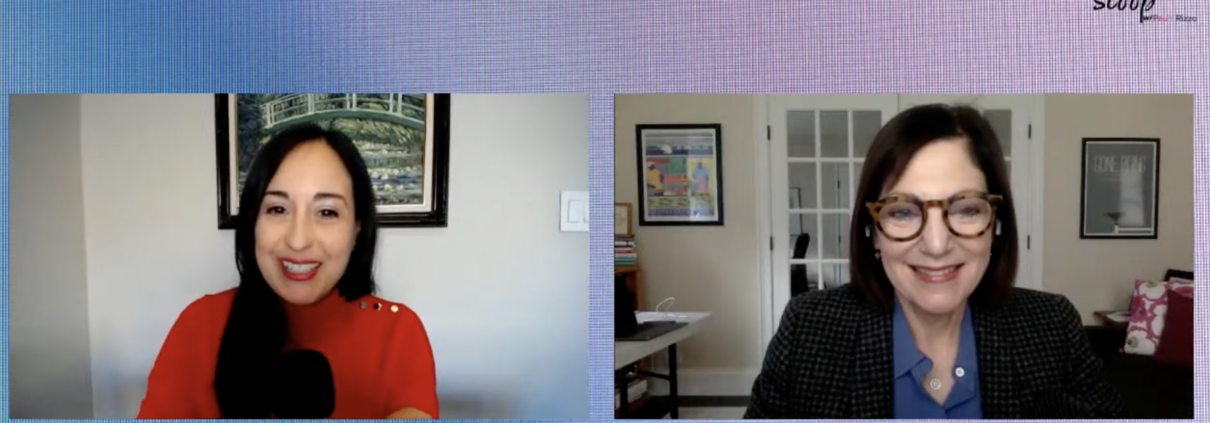
I talk a lot about creating content and have spoken to several experts about how to do that consistently on my live-streaming show Inside Scoop. But my conversation with executive coach and career strategist, Susan Peppercorn, was a more in depth look at using content to strategically attract the professional opportunities you want.

Here are four ways to create content to impress potential employers.

Read more

___

BONUS FREEBIE: Your message deserves the media’s attention. So how do you get out there in a bigger way? I’ve got you covered. CLICK HERE to grab my free “Checklist to Become a Go-To Media Expert.”

___

We all know that if you have a business, you need to have a digital presence. But, you need a digital experience to make an impact. And that’s a little more complicated.

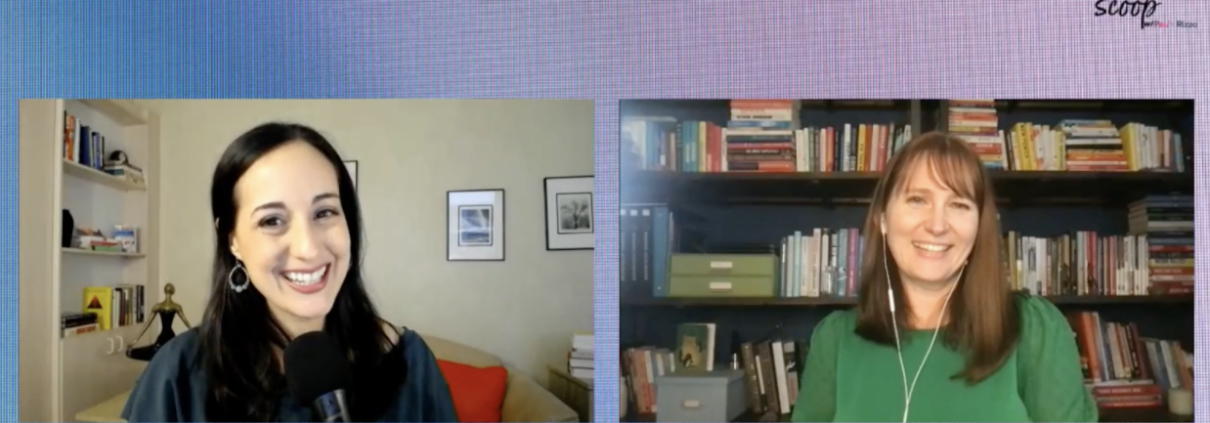
Digital strategist, website developer, and founder of Alchemy+Aim and North Star, Brandi Bernoskie, joined me on my live-streaming show, Inside Scoop, to talk about building a digital experience and amplifying your platform.

Here’s four ways to bring your website to the next level.

Read more

___
BONUS FREEBIE: Your message deserves the media’s attention. So how do you get out there in a bigger way? I’ve got you covered. CLICK HERE to grab my free “Checklist to Become a Go-To Media Expert.”
___

What is it about the videos you watch while scrolling social media, that makes you stop and watch? A better question is: How can you create a video that makes others stop and watch?

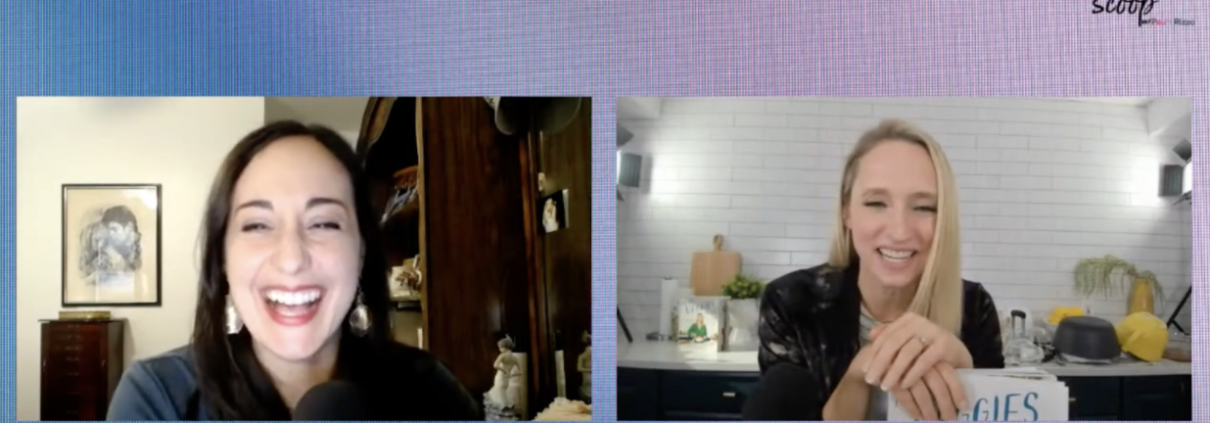
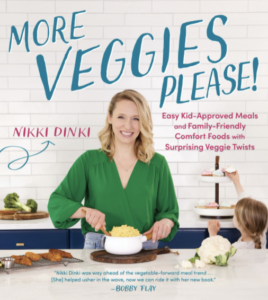
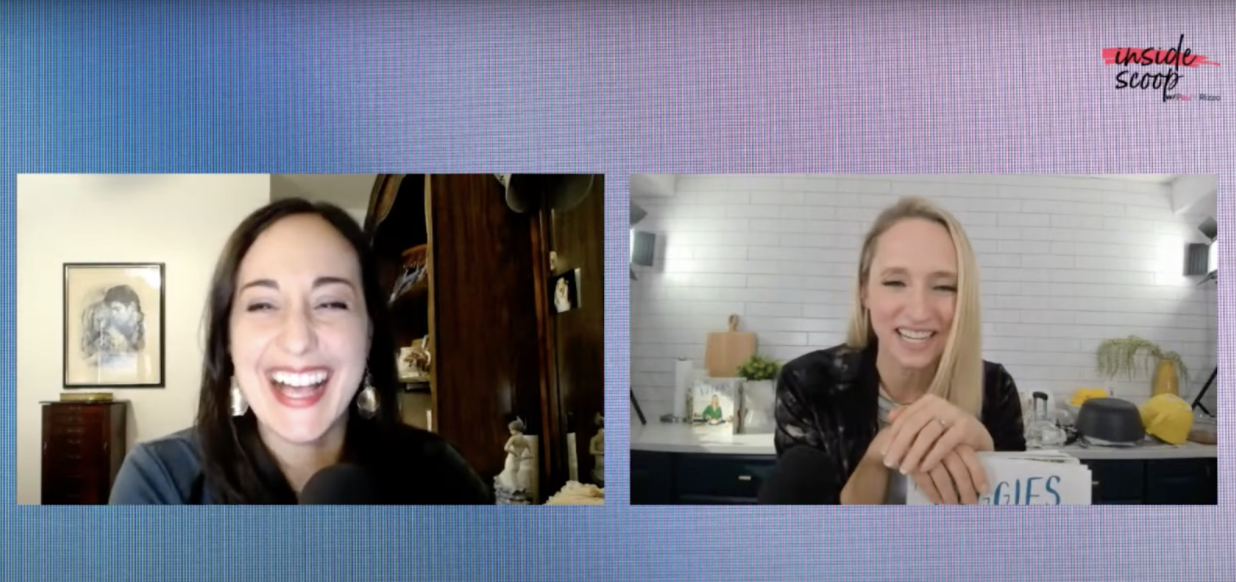
Recently, chef, author, mom, and TV host, Nikki Dinki joined me on my live-streaming show Inside Scoop to share her secrets on making buzzworthy videos and chat about her newest cookbook, More Veggies Please!

More Veggies Please! is a cookbook targeted towards families, but is for everyone!

“It’s our classic American staples, your mac and cheeses, your chicken nuggets, your chicken tenders, your meatloaf, with a surprising veggie twist. It’s really a way to just get more variety of vegetables in your diet, while still having things like queso,” Nikki explained.

This is Nikki’s second cookbook. Her first was Meat on the Side. So you might say, vegetables are her brand. We first met when I was a senior health producer for Fox News and interviewed her about the first book. I’ve been following her journey ever since and it’s her videos that have kept me engaged. So I wanted to know her strategy.


Read more

___

BONUS FREEBIE: Your message deserves the media’s attention. So how do you get out there in a bigger way? I’ve got you covered. CLICK HERE to grab my free “Checklist to Become a Go-To Media Expert.”

___


If you’re an author or expert, you probably dream of being a producer’s first call — that expert they know they can go to for high-quality content. 

But how can you get there? One of the best ways to plot out your career goals is to look at others who have done it before you. 

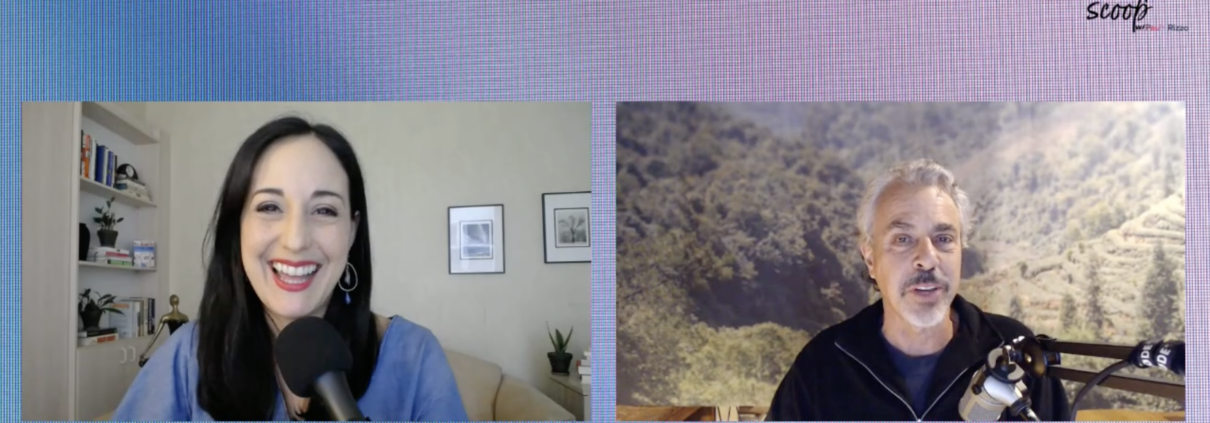
That’s why I want to introduce you to Chris Kilham, also known as the Medicine Hunter. His speciality is alternative medicine, and he’s traveled the world looking for healing plants. Chris has written fourteen books during his long (and colorful!) career!

Read more

___

BONUS FREEBIE: Your message deserves the media’s attention. So how do you get out there in a bigger way? I’ve got you covered. CLICK HERE to grab my free “Checklist to Become a Go-To Media Expert.”

___

Now that many states have ordered residents to stay inside to stop the spread of coronavirus, lots of meetings and interviews are happening remotely.

Even Jimmy Fallon is recording The Tonight Show from his house!

This means that you’re connecting with people from your home rather than face-to-face. 

While Jimmy Fallon can get away with recording from his kitchen table with his kids, you’ll probably want to make sure your videos are a little more pulled-together and professional. 

Read more

Photo by Gavin Whitner.


BONUS FREEBIE: Your message deserves the media’s attention. So how do you get out there in a bigger way? I’ve got you covered. CLICK HERE to grab my free “Checklist to Become a Go-To Media Expert.”


Figure out your niche. 

Before you become an expert, you have to decide what you’re going to be an expert in. How can you figure that out? 

Ask yourself these two questions:  

  1. What are you always telling clients? 
  2. What are you always answering questions about? 

These are two good ways to tell where your expertise lies. 

Read more

BONUS FREEBIE: Your message deserves the media’s attention. So how do you get out there in a bigger way? I’ve got you covered. CLICK HERE to grab my free “Checklist to Become a Go-To Media Expert.”

Whenever I work with clients to help them pitch media better, look better on camera or set up a system to produce more of their own content, I always ask, “What are you producing now?” 

Common answers include: 

  • “A blog post every few months” 
  • “A video here or there”
  • “I did a FB Live once”

To be interesting to the media, to your potential clients and your current fans, you need to consistently create content. 

So how do you do it? 

With an editorial calendar, of course! 

This is a trick I’ve learned from nearly 20 years as a television producer. Everyone in the newsroom knew what stories were coming up in the next minute, five minutes, five days, five weeks, etc. Read more

SIGN UP HERE for my “Become a Video Star Virtual Workshop” to learn how to create stunning video that will connect with your audience. I’ll walk you through every step, from content strategy to rehearsal to post production. You can click here to secure your spot! 

Recently I held my first “Become A Video Star Virtual Workshop” designed to help experts produce better videos. It was a one-day event held over Zoom video conferencing and we dug into my method for producing videos that I’ve developed over the years.

After nearly 20 years of producing television news I have a system down! I call it the SCRIPT METHOD™ and here are the elements that you can use too.

Strategy: Your video is only as good as your plan for execution. Identify your niche, plan out your offer and what you want your audience to do once they’ve seen your videos. Plus, identify what types of videos you’ll be producing ahead of time.

Calendar: Consistency will help you build an audience of followers who will know, like and trust you. Pull together your editorial calendar so you’ll be held accountable and have a roadmap to continually create compelling content.

Rehearsal: Even the pros spend time rehearsing and getting comfortable on camera. Getting media training to deliver your message succinctly and powerfully is key. Plus, write out bullet points for what you want to say ahead of time and practice. That will help you deal with any fears you have.

Intro to Video Production: Get prepped for shoot day! Know the best practices for  shooting video yourself, which equipment to use and even what to wear! Plus, know  what to consider if you do want to hire a crew.

Post Production: You have great videos, so now what? Know the best practices for editing and graphics and making your videos stand out.

Tools to Take Your Videos to Market: How do you make your videos really work for you? By promoting them of course! Know all the places you should be sharing your videos for maximum exposure. Plus, you can use your videos to gain credibility and intrigue with traditional media.


Since the workshop went so well, I thought I would go over some of the highlights and a few “ahas” that can help you as you produce your own videos:

  1. It’s not as complicated as you think – When we first started the workshop a number of the attendees felt overwhelmed by the whole process of creating their own videos. But once we started talking about it and I broke down my process it all started to seem less daunting. Making your own videos means taking it step by step and focusing on one part at a time. You don’t have to be a technology whiz or a creative genius and best of all you don’t even have to have a fancy camera! I always say “use your iPhone!”
  2. Make friends with the lens – When you watch the news it’s easy to think that those poised newscasters have always had the innate ability to look natural on camera. But it’s not true – they had to learn and so can you!  The more you expose yourself to the camera, the more you start to feel at home with it. One of my clients Linda Ugelow is a presentation and speaking coach and she helps people who are fearful of being seen on camera and on the stage. She speaks all about “making friends with the lens” and conditioning yourself to enjoy being in front of the camera.
  3. Marco Polo – To help you feel more at home being in front of the camera you can try a video app. I suggested my students use Marco Polo, which allows you to send video messages – almost like a walkie-talkie. I think of it like sending a text but with video. Not only is the app tons of fun, but it helps you get used to making video on the fly and takes away some of the mystery of it. Plus, it’s good practice looking into the camera and not at yourself!
  4. Change your attitude – If you start out every video project thinking about how much you hate video, you will dread every minute you spend doing it!  One of the students from my virtual workshop said her next step after our day together is to “start liking video.” Sometimes a negative attitude can have a big effect on how  you feel about something. The more open you are to trying new ideas with video the closer you are to finding a style that works for you.

SIGN UP HERE for my “Become a Video Star Virtual Workshop” to learn how to create stunning video that will connect with your audience. I’ll walk you through every step, from content strategy to rehearsal to post production. You can click here to secure your spot!